
Ingenuity. Activated.
Translating smart ideas into market momentum through brand, experience, and innovation.
Strategies built for leaders ready to move and teams ready to act.
Intangible aspirations become tangible direction
Complex strategy becomes a clear roadmap
Abstract vision becomes executable plans
Big ideas become measurable results
Most consulting ends with a presentation,
ours end with execution tools


Ingenuity. Activated.
Translating smart ideas into market momentum through brand, experience, and innovation
Strategies built for leaders ready to move and teams ready to act.
Aspirations become tangible direction
Complex strategy becomes a clear roadmap
Abstract vision becomes executable plans
Big ideas become measurable results
Most consulting ends with a presentation,
ours end with execution tools


What that actually means:
The difference between strategy and activated strategy.
Sales gets pitch materials they can customize
Marketing gets messaging they can activate
Product gets roadmaps they can execute
Leadership gets narratives they can tell
That's the Mezzanine difference.
Explore our Services→
You get tools your teams use today — not decks that sit on shelves.
Meet Mezzanine Consulting
Small by design. Enterprise-ready by experience.
Boutique firm agility with Fortune 500 rigor. You work directly with senior leadership, bringing clarity, momentum, and accountability from day one.
Trusted across growth stages
From global enterprises navigating transformation, to public companies repositioning for growth, to venture-backed startups commercializing breakthrough ideas, we come in when strategy needs to activate.
Pressure tested across B2C, B2B, B2G
Technology | Telecom | Cybersecurity | Financial Services | Healthcare | Life Sciences | Energy | Government & Public Safety | Industrial / OEM | Retail & Franchise | Entertainment & Sports | Education
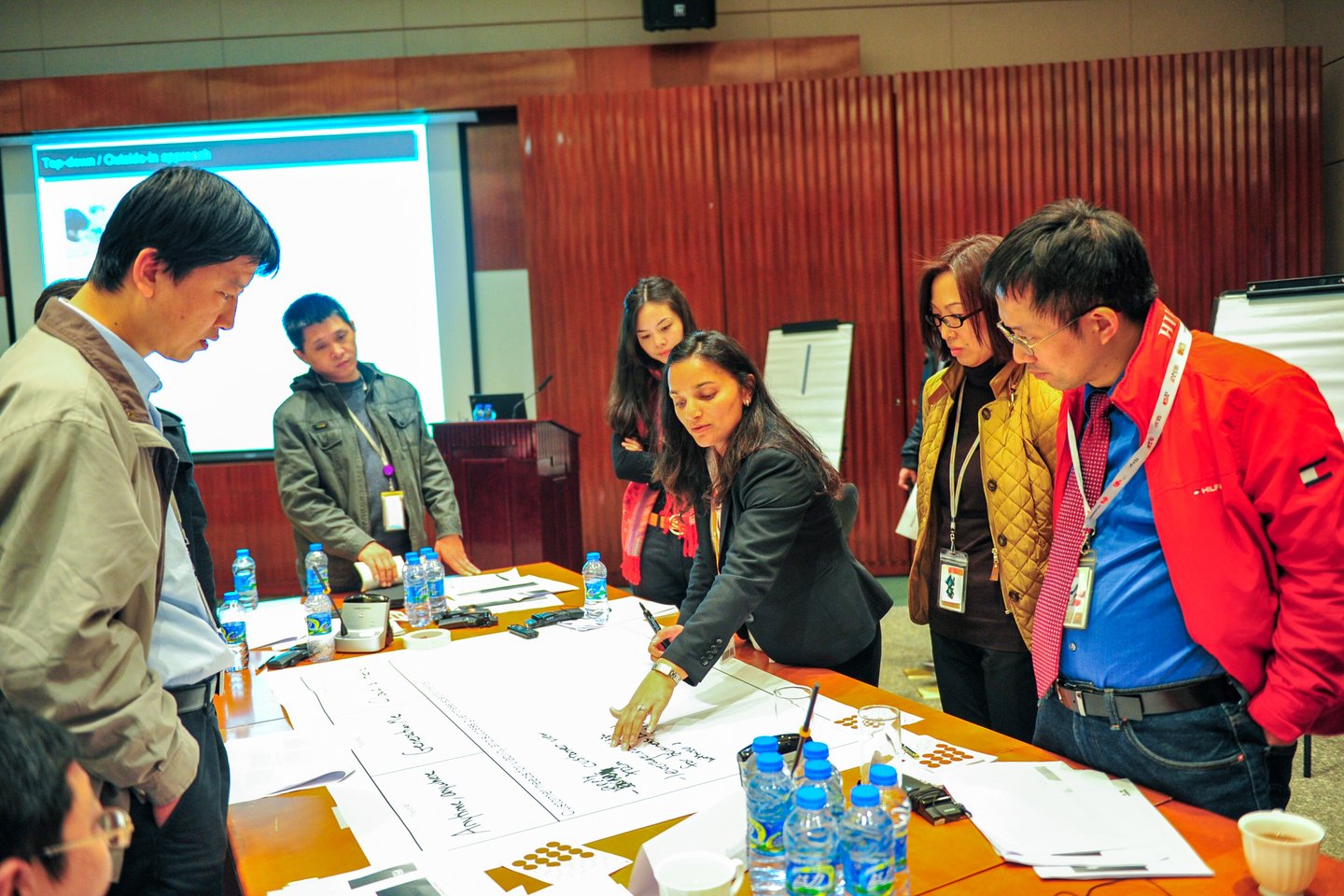
Helping companies at every growth stage turn ambition into action since 2006
Trusted by Global Enterprise Leaders including: IBM | Huawei | AT&T | Caesars Entertainment | Juniper Networks | U Chicago Booth
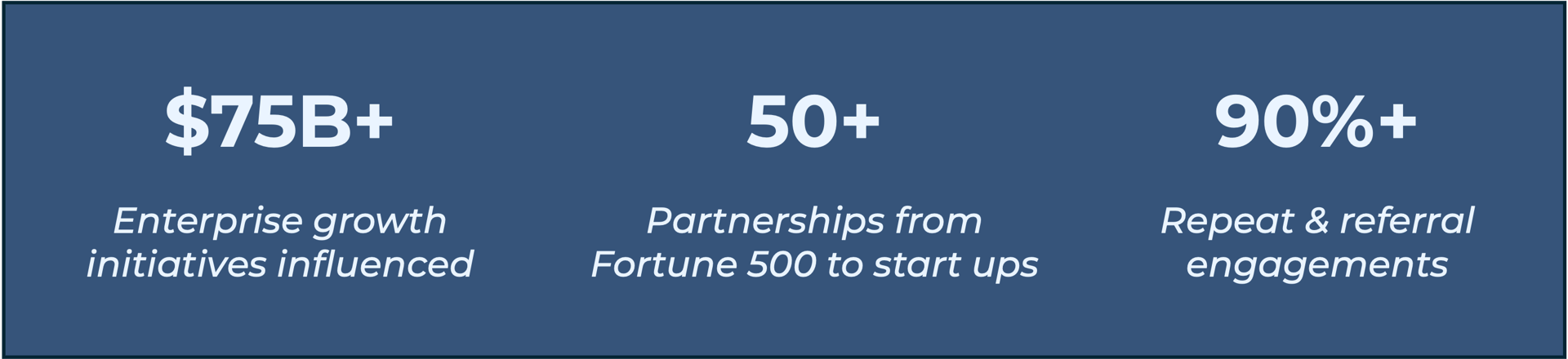
Bridge the gap of where you are and what's next
Explore our Services→
Working alongside teams to turn strategy into action.
The Way We Work
We work side by side with leaders and teams
to unlock clarity, spark new thinking, and turn complex insight into coordinated action.
Ingenuity
It's rarely more ideas, but the right one.
We define the bold move, shaping ambition, capability, or stalled innovation into focused opportunity built to win.
The result isn’t just strategy
it's shared conviction,
sharper decisions,
and actions that move the business forward.


Clarity
Complexity is pervasive, clarity wins.
From value proposition to constituent strategy to the architecture behind it, we make your direction undeniable, both internally and externally.
Alignment
Misalignment is expensive.
We connect vision to priorities, roadmaps, and constituent experience. So what you promise and what people experience actually match.
Activation
Decks don’t drive growth, actions do.
We embed the tools, language, and decision models to turn strategy into sustained momentum through the people who make the work happen.
See how this translates across Brand, Experience, and Innovation
Explore our Services→
Ready to Activate What's Next?
If the stakes are high and clarity matters, let’s talk about what forward movement looks like for you.
or
Prefer to share context first? Send a note.
Mezzanine Consulting LLC™
Strategy and Activation - Since 2006
We build strategies designed to be executed, and the tools your teams need to deliver them.
Every engagement is led by a founding partner from day one.
connect@mezzanineconsulting.com
+1-303-990-2429
Home | Services | About | Let's Chat
© 2026 Mezzanine Consulting LLC. All rights reserved.